
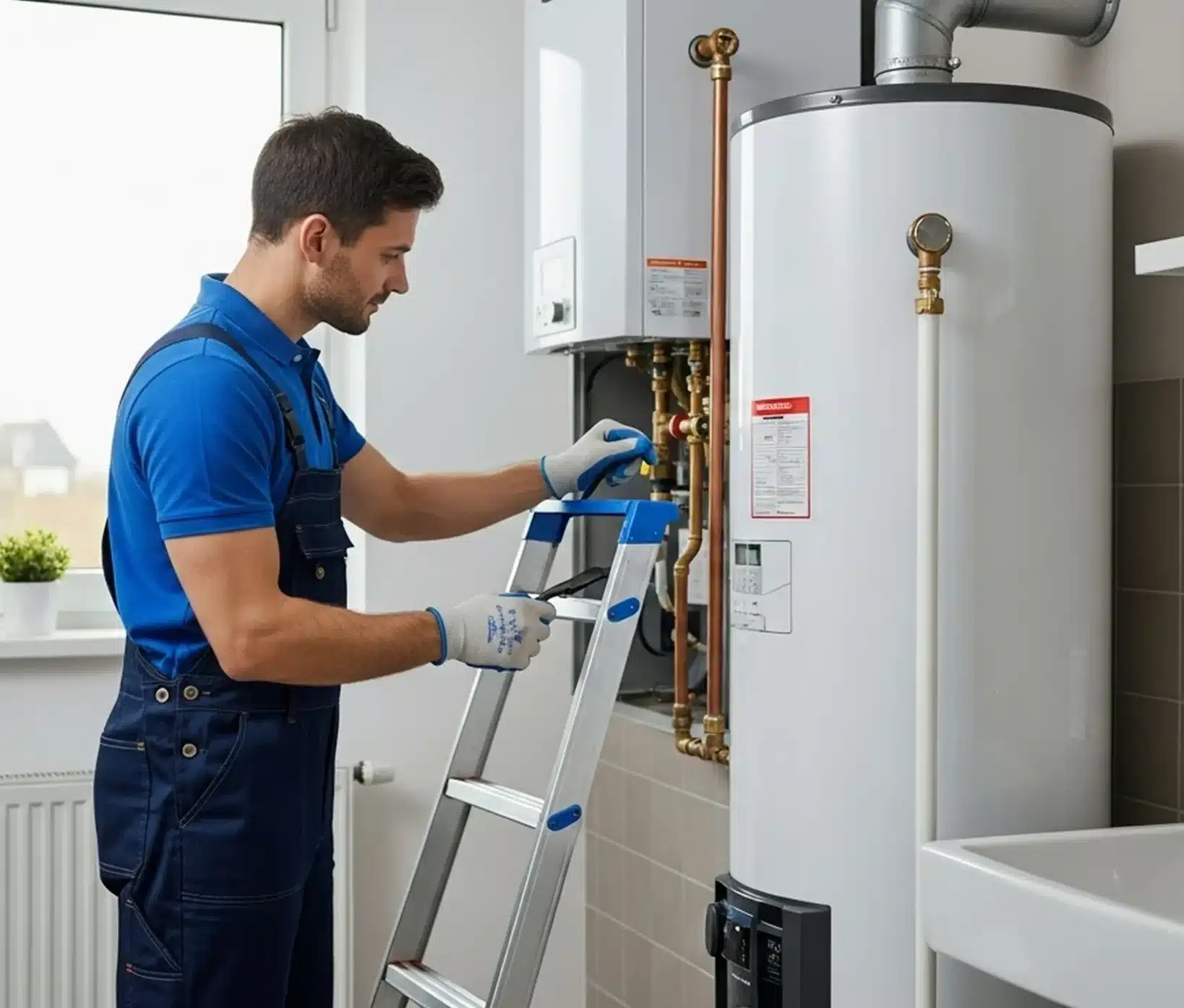

Winter mornings in Englewood, Colorado, can be uncomfortable enough without waking up to a house that feels colder than the air outside. You turn up the thermostat, wait for the radiators to warm, and realize your boiler isn’t keeping up. Maybe the living room feels comfortable, but the bedrooms remain chilly. Or perhaps the entire heating system has stopped working overnight.
For homeowners who depend on hydronic heating, these problems can quickly become stressful when temperatures drop below freezing. Understanding what causes boiler trouble can help you recognize warning signs and make informed decisions about boiler repair in Englewood. Some issues have simple explanations, while others require professional attention before they develop into expensive heating emergencies.
Why Englewood Winters Put Your Boiler to the Test
Englewood winters bring freezing nights, occasional snowstorms, and temperature swings that challenge residential heating systems.
A boiler that maintains comfortable temperatures during a mild afternoon may struggle when outdoor temperatures drop sharply overnight.
Homes around South Broadway, Belleview Park, and Arapahoe Acres feature different ages, layouts, and heating arrangements. Some properties use traditional hot-water radiators, while others rely on hydronic baseboards or modern high-efficiency boilers.
These systems operate differently, but they share one important requirement: heated water must circulate properly to deliver warmth throughout the house.
When circulation, pressure, or temperature controls develop problems, homeowners often notice the symptoms during periods of higher heating demand.
- Your Boiler Is Running, but Your House Isn’t Getting Warm
Imagine waking up at 6 a.m. Your thermostat reads 61°F, even though you set it to 70°F before going to bed.
You can hear the boiler operating, but the house still feels cold.
This situation often indicates that the system generates heat but struggles to distribute it.
Possible causes include:
- Failing circulator pump: The pump cannot move heated water efficiently through the heating system.
- Trapped air: Air pockets restrict water circulation through radiators or baseboards.
- Malfunctioning zone valve: A faulty valve prevents hot water from reaching certain rooms.
- Thermostat or control problems: Incorrect signals interrupt normal heating operation.
- Insufficient boiler output: The system cannot maintain the required heating temperature.
Pay attention to where the problem occurs.
If your kitchen feels warm but an upstairs bedroom remains cold, the issue may involve a specific heating zone rather than the entire boiler.
A heating technician can evaluate circulation and controls before recommending repairs or replacement.
- Banging, Gurgling, or Whistling Sounds Coming From the Boiler
Your heating system shouldn’t sound like someone is knocking on the pipes every time it starts.
While boilers and connected piping can make normal operating noises, persistent banging, gurgling, or whistling may indicate developing problems.
Different sounds offer useful clues.
Banging or knocking: Expanding pipes, water hammer, or circulation problems may create noticeable knocking sounds.
Gurgling: Trapped air inside the hydronic heating system can produce bubbling noises and interrupt water movement.
Whistling or rumbling: Restricted water flow, localized overheating, or mineral deposits may contribute to unusual sounds.
Mineral buildup can affect certain boiler components, particularly when untreated makeup water repeatedly enters the system. However, not every noisy boiler has a scale problem.
If the sounds become louder or accompany reduced heating performance, arrange an inspection.
Professional boiler repair in Englewood can help identify whether the noise comes from circulation, controls, piping, or the boiler itself.
- Your Boiler Keeps Turning On and Off
Does your boiler start, run briefly, shut down, and restart a few minutes later?
Heating professionals call this pattern short cycling when the equipment cycles more frequently than its design and operating conditions require.
Possible causes include an oversized boiler, restricted circulation, malfunctioning sensors, or incorrect control settings.
Frequent cycling can increase component wear and reduce operating efficiency.
However, not every short heating cycle indicates a malfunction. Modern modulating boilers adjust their output according to heating demand, and normal operating patterns vary between systems.
Englewood’s winter temperature changes can make these differences more noticeable.
Rather than repeatedly adjusting the thermostat, ask a qualified technician to evaluate the boiler’s operating cycle and control settings.
- Water Is Collecting Around Your Boiler
Finding water beneath your boiler can be concerning, especially when your heating system already struggles to keep the house warm.
Common sources include leaking pipe connections, deteriorated seals, faulty pressure relief valves, and expansion tank problems.
High-efficiency condensing boilers also produce condensate during normal operation. However, their drainage systems should carry that water away safely.
A puddle on the floor isn’t something to ignore.
Even a small leak can reduce system pressure and introduce additional oxygen when replacement water enters the heating circuit. Over time, these conditions may contribute to internal corrosion.
Avoid repeatedly refilling the boiler without identifying the leak.
A professional can inspect the system and determine whether a connection, valve, tank, or another component needs attention.
- Low Boiler Pressure Is Interrupting Your Heating
Your boiler needs appropriate water pressure to circulate heat effectively.
When pressure drops below the manufacturer’s recommended operating range, some boilers display warning codes or stop heating.
Possible causes include:
- Small leaks within the heating system.
- Problems with the expansion tank.
- Faulty pressure-related components.
- Recent maintenance that introduced air or changed system pressure.
You may notice that the pressure reading falls repeatedly after someone adds water.
That pattern deserves investigation.
Although some manufacturers provide instructions for restoring pressure, homeowners should follow their specific equipment manual rather than rely on generic pressure recommendations.
Repeatedly adding water without addressing the cause can create additional problems.
- Your Boiler Stops Working Overnight
Few situations frustrate homeowners more than waking up to a completely cold house during a freezing Colorado morning.
A boiler shutdown may result from ignition problems, electrical faults, malfunctioning safety controls, or blocked condensate drainage in certain high-efficiency systems.
Before calling for emergency boiler service, homeowners can safely perform a few basic checks:
- Confirm that the thermostat requests heat.
- Check whether the house has electrical power.
- Look for visible error messages on the boiler display.
- Check for obvious water leaks without opening equipment panels.
Avoid bypassing safety controls, opening sealed combustion compartments, or repeatedly resetting equipment that continues shutting down.
If you smell gas, leave the property and contact your gas utility’s emergency service or 911 from a safe location. If a carbon monoxide alarm sounds, evacuate immediately and contact emergency services.
When Should You Call for Boiler Repair in Englewood?
Not every heating issue requires emergency service, but certain symptoms deserve prompt professional attention.
Contact a qualified heating technician when your boiler repeatedly shuts down, develops leaks, makes persistent unusual noises, or fails to maintain comfortable indoor temperatures.
A complete heating failure during freezing weather requires particular urgency. As indoor temperatures fall, plumbing in vulnerable areas may face an increased risk of freezing.
When scheduling residential boiler repair, describe the symptoms clearly.
Tell the technician whether the problem affects every room or only certain heating zones. Mention any error codes, unusual sounds, or recent changes in system performance.
These observations can help narrow the diagnostic process.
How Englewood Homeowners Can Prevent Winter Boiler Problems
A little preparation before winter can reduce the likelihood of unexpected heating interruptions.
Schedule annual boiler maintenance according to the manufacturer’s recommendations. During an inspection, a qualified technician can check system pressure, circulation, safety controls, venting, and visible signs of leakage.
Homeowners can also take practical precautions.
Keep radiators and hydronic baseboards unobstructed, monitor changes in heating performance, and maintain working carbon monoxide alarms.
If your home suddenly takes longer to warm up, don’t automatically blame the outdoor temperature.
That change could provide an early warning of a developing heating problem.
Don’t Let a Cold Morning Turn Into a Heating Emergency
When your boiler starts making unusual noises, struggles to heat certain rooms, or shuts down unexpectedly, it’s worth finding out why.
Englewood homeowners depend on reliable heating throughout Colorado’s colder months, and early attention can prevent some minor problems from becoming more disruptive.
If your system shows persistent warning signs, arrange professional boiler repair in Englewood. A qualified technician can identify the underlying problem, recommend appropriate repairs, and help restore dependable warmth before the next freezing morning.
This version is structured for an educational guest post, with homeowner-focused explanations, natural keyword placement, local context, safety guidance, and no promotional company references or external links