

Imagine a windy evening in Everett. You’re preparing dinner when the lights suddenly go out. A few minutes later, electricity returns, and everything appears normal. But your television won’t turn on, and the refrigerator displays an unfamiliar error code.
An electrical surge can damage multiple devices, although not every power outage causes one.
For homeowners considering surge protector installation in Everett, understanding these risks can help prevent expensive surprises. From older houses in North Everett to modern homes around Silver Lake, today’s households depend on appliances with sensitive electronic components. Protecting those devices starts with knowing where electrical surges come from and what a properly designed surge protection system can do.
Why Power Surges Are a Concern for Everett Homeowners
Everett residents understand how disruptive Pacific Northwest windstorms can become. Strong winds and falling branches can damage overhead electrical infrastructure, sometimes leaving neighborhoods without electricity.
Snohomish County PUD, which serves Everett, advises customers to unplug sensitive electronics during outages because power restoration can involve brief voltage surges.
However, storms aren’t the only potential source of electrical disturbances.
A power surge occurs when voltage briefly rises above its normal level. These transient events can originate from utility switching, nearby lightning activity, electrical faults, or equipment switching within a building.
Large motors and appliances can also produce smaller switching transients. Most don’t cause noticeable damage, but sufficiently strong disturbances can affect sensitive electronics.
The important distinction is that a power outage and a power surge aren’t the same thing. Losing electricity doesn’t automatically damage appliances, and surge protection cannot prevent outages.
The Appliances You Depend on May Be More Vulnerable Than You Think
Think about how much technology your household uses compared with twenty years ago.
Your refrigerator may have an electronic control board. Your washing machine might use an advanced motor controller. Your heating system could rely on electronic controls, while your home office contains computers, monitors, and networking equipment.
These components can suffer damage when excessive transient voltage reaches their circuits.
Consider a homeowner in the View Ridge neighborhood who recently purchased a refrigerator, upgraded the television, and installed a smart thermostat.
A sufficiently severe electrical surge could affect more than one connected device.
Sometimes the damage appears immediately. An appliance stops working, or a control board fails. Other times, electrical stress contributes to component deterioration without producing an obvious warning.
Replacing several damaged electronics can create a substantial expense, particularly when repairs require specialized components.
That’s why surge protection deserves attention before an electrical problem occurs.
How Surge Protector Installation in Everett Protects Your Electrical System
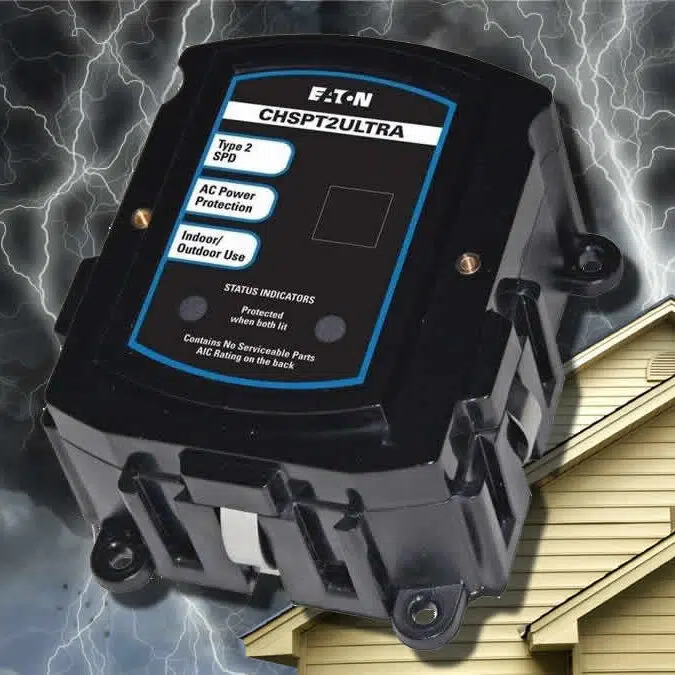
A whole-house surge protective device, often called a whole-home surge protector, helps limit transient overvoltage within a home’s electrical distribution system.
An electrician installs the device at an appropriate location in the electrical service or distribution equipment, following its listing and installation instructions.
When a surge occurs, the device conducts excess surge current through its protective pathways, limiting the voltage that reaches downstream equipment.
This protection can benefit circuits serving refrigerators, laundry equipment, heating systems, and other connected appliances.
However, homeowners should understand two important limitations.
First, no surge protective device can guarantee protection against every electrical event, particularly a direct lightning strike or an exceptionally severe surge.
Second, surge protectors don’t correct sustained overvoltage, faulty wiring, or overloaded circuits.
A properly designed system reduces specific electrical risks rather than eliminating every possible cause of appliance damage.
Why Older Everett Homes May Need an Electrical Assessment
North Everett, Bayside, and other established neighborhoods contain homes from different construction periods.
Some properties have undergone electrical renovations, while others may still contain older service equipment or wiring arrangements.
An older electrical system doesn’t automatically mean inadequate surge protection. However, previous renovations, grounding and bonding conditions, and panel compatibility can influence installation options.
A homeowner renovating a kitchen in Bayside, for example, might add several appliances without considering whether the electrical system has surge protection.
Similarly, a family converting a spare bedroom into a home office may introduce thousands of dollars’ worth of electronics.
These changes create good opportunities to evaluate existing electrical protection.
Washington adopted the 2023 National Electrical Code, effective April 1, 2024, with state amendments. NEC provisions address surge protection for specified dwelling-unit services and feeders, including applicable replacements. Homeowners should have a qualified electrician confirm the requirements for their particular project.
What Should an Electrician Check Before Installing a Surge Protector?
Professional surge protector installation in Everett should begin with an assessment of the home’s electrical system rather than an automatic recommendation for a particular device.
A qualified electrician should evaluate several factors:
- Electrical panel compatibility: The device must suit the panel, service configuration, and installation location.
- Grounding and bonding: Proper connections support electrical safety and effective surge protection.
- Device classification: Type 1 and Type 2 surge protective devices have different permitted installation locations.
- Electrical ratings: The electrician should review the voltage protection rating, nominal discharge current rating, and other relevant specifications.
- Installation requirements: The work must follow applicable electrical codes, product listings, and manufacturer instructions.
Homeowners should choose appropriately certified equipment, such as devices listed to UL 1449.
A professional assessment also helps identify unrelated electrical problems that surge protection alone cannot solve.
Why a Power Strip Isn’t Enough for Your Entire Home
Many Everett homeowners plug their computers or televisions into power strips and assume they have surge protection.
However, an ordinary power strip only provides additional outlets. It doesn’t necessarily contain surge protective components.
A properly rated plug-in surge protector can protect connected equipment against certain transient voltage events.
But it won’t protect a refrigerator or another appliance connected elsewhere in the house.
Whole-house protection addresses surges at the electrical distribution level, while suitable point-of-use protectors provide additional protection for selected electronics.
For computers, entertainment systems, and networking equipment, this layered approach can offer practical benefits.
Equipment connected through coaxial, telephone, or other communication cables may also need compatible protection for those pathways.
What Should You Do When Everett Loses Power?
Picture a November evening in Silver Lake. Wind rattles the windows, and your neighborhood suddenly goes dark.
Snohomish County PUD recommends reducing electrical loads during outages to help prevent problems when crews restore power.
Homeowners can take several precautions:
- Turn off electric ranges, space heaters, and other appliances that could create hazards when electricity returns.
- Unplug sensitive electronics when you can safely access them.
- Leave one light switched on so you’ll recognize when power returns.
- After restoration, reconnect equipment gradually rather than switching everything on simultaneously.
- Contact a qualified electrician if you notice burning odors, damaged outlets, or recurring electrical problems.
These precautions complement surge protection but cannot replace a properly installed protective system.
Protect the Appliances Your Everett Home Relies On
Think back to that unexpected outage during dinner. You can’t control every electrical disturbance affecting your neighborhood, but you can prepare your home’s electrical system to better withstand certain voltage surges.
Whether you live near downtown Everett, in Boulevard Bluffs, or around Silver Lake, your appliances represent more than expensive purchases. They support your work, preserve your groceries, and keep your household comfortable.
Professional surge protector installation in Everett can provide an important layer of electrical protection when an electrician selects and installs the appropriate equipment.
Don’t wait until several appliances fail to consider the condition of your electrical system. Schedule an assessment with a qualified local electrician and find out whether your home has the surge protection it needs.
Frequently Asked Questions
Does every Everett home need a whole-house surge protector?
Surge protection requirements depend on the electrical work involved and applicable codes. Even when a retrofit isn’t mandatory, whole-house surge protection can offer additional protection for appliances and electronics.
Can a surge protector prevent lightning damage?
A properly rated surge protective device can reduce certain lightning-related transient voltages. However, no device guarantees protection against a direct lightning strike or every severe electrical event.
How long does a whole-house surge protector last?
Its lifespan depends on the product, electrical conditions, and surge exposure. Some devices include indicators that show when protective components need attention. Follow the manufacturer’s inspection and replacement guidance.
Will surge protection stop my circuit breaker from tripping?
No. Circuit breakers primarily protect against overcurrents, including overloads and short circuits. Surge protective devices address brief voltage transients. Repeated breaker trips require electrical troubleshooting.
Can I install a whole-house surge protector myself?
Homeowners should hire a properly licensed electrical contractor for hardwired installation. Electrical panels contain hazardous components, and incorrect installation can create serious safety risks.