
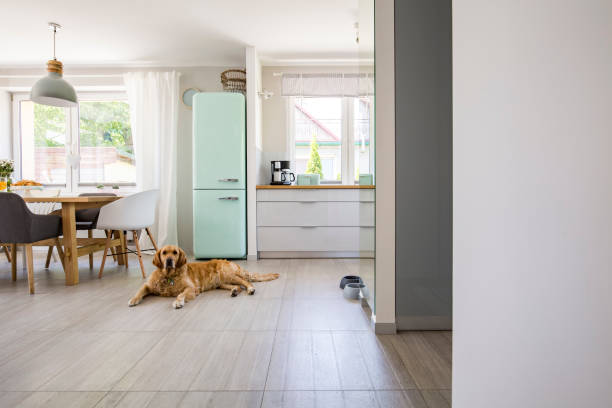

Why ‘Pet Friendly’ Means Less Than It Sounds
The phrase ‘pet friendly’ on an apartment listing is almost meaningless as a filter. It means the building permits some animals under some conditions — but the specific conditions vary enormously between buildings. A building that’s pet friendly to a 20-pound dog may be completely off-limits to a 60-pound dog. A building that welcomes cats may prohibit anything with four legs beyond that. And a building that advertises as pet-friendly may have breed restrictions, weight limits, pet deposits, monthly pet rent, and liability insurance requirements that together make the arrangement far more restrictive and expensive than the friendly label suggested.
Apartment hunting with a pet requires treating pet policy as a primary search criterion — not a box to check after finding a place you like, but a qualification to investigate before investing time in any property.
The Pet Policy Questions to Ask Before the Tour
Call or email before scheduling any tour and ask specifically: What species are permitted? What’s the weight limit per animal, and is it per animal or combined? Are there breed restrictions (many buildings prohibit specific dog breeds regardless of individual temperament — this list often includes pit bulls, rottweilers, German shepherds, and others)? What is the pet deposit, is it refundable, and does it apply per animal? Is there monthly pet rent, and how much per animal? Is renters liability insurance required, and at what coverage level?
Getting these answers in writing (email confirmation after a phone call) protects you if the policy is represented differently at signing. Buildings sometimes quote more favorable terms to get a signed lease and then enforce stricter policy at renewal or incident.
The Hidden Costs That Add Up
The financial reality of renting with pets often surprises people. A building with a $500 non-refundable pet fee plus $50/month pet rent per animal adds $1,100 in the first year for one pet — before any pet-related damage deductions at move-out. Two pets in the same building add $2,200. These costs are real and should be calculated into the full cost of any apartment when comparing options.
Pet liability insurance (required by some buildings, recommended regardless) costs $15–$30 per month and protects you if your pet injures a person or causes property damage. Some standard renter’s insurance policies include limited pet liability; verify whether your policy covers pet-related incidents before assuming coverage exists.
Working With Non-Pet-Friendly Buildings
If the most desirable apartment in your location isn’t officially pet-friendly, negotiating an exception is sometimes possible. Coming prepared with documentation — veterinary records demonstrating vaccination and health history, a pet reference from a previous landlord confirming no damage or complaints, a letter of introduction describing the animal’s temperament and training — demonstrates responsibility that makes landlord exceptions more likely.
Offering an increased security deposit (beyond the standard pet deposit) to cover potential pet-related damage addresses the landlord’s primary concern. Some landlords who don’t advertise as pet-friendly will make an exception for a specific, documented animal when the tenant demonstrates accountability.
Moving In: Setting Up for Pet Success
On move-in day, photograph any existing flooring scratches, carpet wear, and wall scuffs with your pet present in frame where possible — establishing that the damage predates your tenancy. This documentation protects you from charges at move-out for damage that existed when you arrived.
Identify the building’s pet area and procedures (waste disposal stations, designated relief areas, elevator protocol for animals) before your pet encounters other residents. A good first impression with neighbors and building staff makes the tenancy smoother than starting with a missed cleanup or an elevator confrontation.